
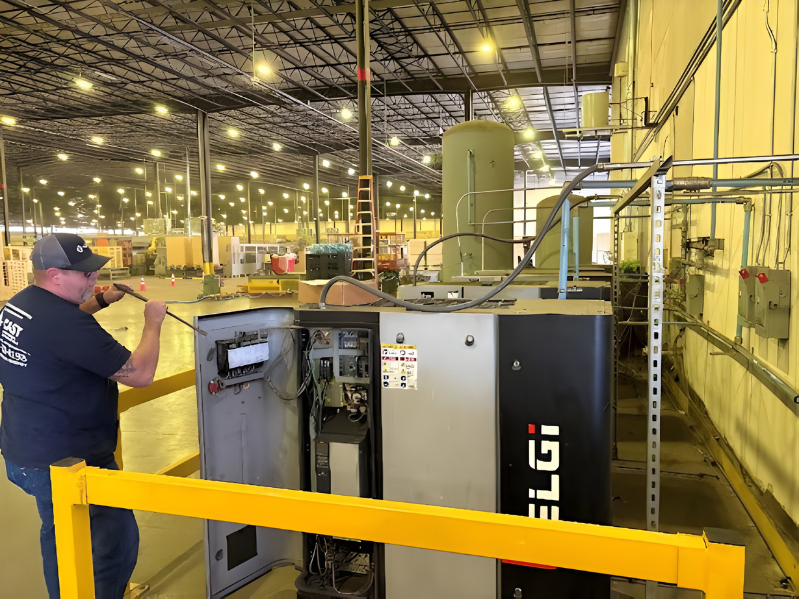
In the demanding industrial landscape, where compressed air is a critical utility, properly maintaining rotating equipment mitigates risks such as downtime, inefficient operation, and unsafe working environments. Proactive, scheduled care reduces the two most costly factors in life-cycle costs: energy consumption and unanticipated repair costs. As an advocate in your corner, with the heart of a teacher, Compressed Air Solutions of Texas brings decades of experience to the forefront. Thus, providing businesses with the prerequisite knowledge to meet their production goals and stay one step ahead of the competition. Using time-proven fundamentals combined with the latest technology in air compressor maintenance, CAST consistently delivers a 4th utility that optimizes efficiency, reliability, productivity, and safety, all while simultaneously reducing carbon footprint.
Why Air Compressor Maintenance Matters
A well-maintained air compressor is the heartbeat of an efficient operation. Neglecting its care doesn’t just risk a breakdown; it jeopardizes productivity, energy consumption, safety, and your carbon footprint. The following core reasons will help in understanding how air compressor maintenance can impact your business:
Air Compressor Maintenance Prevents Costly Downtime
Routine checks catch small issues such as worn parts or minor leaks before they escalate into major failures. This prevents unexpected breakdowns that halt production and lead to costly delays.
Extends Equipment Life
Replacing affordable consumable and wearable parts, such as filters, coupling elements, and lubricants, reduces strain on critical components. This prevents early wear and tear, adding years of useful life to the rotating equipment.
Efficiency
The Department of Energy says that 76 percent of a compressed air system’s cost of ownership is energy costs. Routine inspections and preventative maintenance by experienced, knowledgeable technicians can make this cost more palatable. While replacing consumables (air filters, oil filters, cabinet filters, separator elements, and oil) will reduce energy consumption, identifying artificial demand with settings and setpoints will also reduce the energy usage associated with the compressed air utility.
Air Compressor Maintenance Keeps the Workplace Safe
Maintenance ensures safety valves, sensors, and controls function properly. This prevents dangerous accidents due to overpressure, overheating, or system failures, protecting your team. If left unattended, the oily condensate in the compressor room can create a safety hazard and contaminate nearby soil and the water drainage system.
Environmental Impact
A natural byproduct of any compressed air system is the change of phase of water vapor to liquid. Moreover, this water mixes with used oil from the air compressor and discharges from water separators, receiver tanks, coalescing filters, dryers, and drip legs. This fluid contains an air-to-oil ratio of 3-5 parts per million (ppm) of used oil and is commonly neglected. It leaks onto the ground or is routed to a floor drain, eventually finding its way to water sources. A knowledgeable compressed air service company helps facilities be good stewards of the environment by using condensate separators that capture all types of air compressor oils, hence minimizing their carbon footprint.
Air Compressor Maintence Ensures Clean Air on Production Side
Filters, dryers, and condensate drains remove harmful moisture, oil, and dirt from your air supply. This is vital for protecting sensitive tools, processes, and final product quality from contamination. Supplying clean, dry compressed air, rated to ISO 8573.1 quality standards, ensures compressed air on the demand side. Thus, it allows facilities to operate smoothly with consistent throughput.
Core Maintenance Tasks for Air Compressors
Although maintenance tasks vary, depending on the type and condition of the compressor, below are some of the most common.
Remote Monitoring
The fundamentals have not changed, but today’s facility technology is better than ever. Routine maintenance by skilled technicians, combined with real-time monitoring, increases uptime, efficiency, and productivity. Furthermore, a qualified service provider should remotely monitor any compressor brand without relying on the facility’s network. Any abnormal system behavior should be shared with the facility and the service provider. This ensures minor issues are detected early and corrected before they escalate.
Inspecting and Replacing Air Filters
A clogged air filter is replaced to prevent abrasive particles from entering the system. This ensures the compressor can draw air easily, maintaining volumetric efficiency and reducing operating energy requirements. As a result, electricity costs are lower and the occurrence of premature internal wear is minimal.
Types of Air Compressor Oil
Viscosity remains one of the most important indicators of a compressor lubricant’s health. Many lubricant blenders now use low-grade base stocks that rely on viscosity modifiers. These modifiers contain large molecules that control viscosity. During high-speed and high-shear operation, these molecules break down, reducing viscosity and harming performance. Therefore, using a high-quality base stock like PAG or PAO helps maintain a stable viscosity index throughout the lubricant’s life.
Proper Oil Sampling
Regularly sampling air compressor oil has proven to reduce maintenance costs. Facilities using high-quality lubricants often experience longer lubricant life. Changing oil early because an OEM or salesperson recommends it may cause unnecessary costs. If a properly collected oil sample shows normal results, the lubricant still has useful life. Consequently, the oil should remain in service, further lowering maintenance expenses.
Measuring Vibrations of Bearings
A knowledgeable and experienced compressed air service company will have the resources to measure the bearing noise of rotating equipment. When searching for a service partner, ask if they measure and trend bearing noise. Most experienced service companies will use a shock pulse monitor or similar device to measure bearing noise.
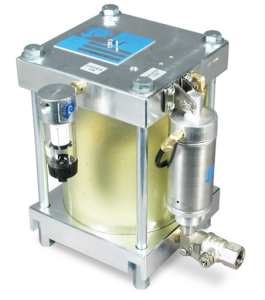
Draining Condensate from Tanks and Dryers
Draining accumulated moisture from receivers and dryers, whether manually or automatically, is essential. This prevents internal corrosion of the tank and piping, safeguards downstream tools and processes from water damage, and ensures the delivery of clean, dry air necessary for product quality instrument protection. Use of condensate drains that eliminate artificial demand effectively removes oily condensate while simultaneously reducing power consumption.
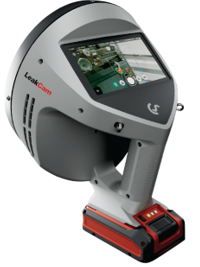
Checking for and Sealing Air Leaks
Regular system audits to find and repair leaks at connections and hoses prevent compressed air from escaping. This eliminates a major source of energy waste, reduces the compressor’s workload and cycle time, and directly leads to lower energy bills and reduced mechanical strain. A knowledgeable, experienced compressed air service company will have a methodology for measuring leaks that employs the latest ultrasonic leak detection technology.
Inspecting and Tightening Drive Components
Checking V-belts for wear and proper tension, and ensuring coupling alignment, guarantees efficient power transfer from the motor to the rotating equipment. This prevents energy loss, avoids unexpected belt failure that causes downtime, and protects bearings from excessive wear and premature failure.
Testing Safety Valves and Controls
Manually testing safety valves and verifying control system operation ensures all safety devices function correctly. This critical task prevents dangerous overpressure situations, protects personnel and equipment from catastrophic failure, and ensures compliance with safety regulations.
Preventive vs. Reactive Air Compressor Maintenance
Fundamentally, there are two primary maintenance strategies: preventive and reactive. Preventive maintenance is a proactive approach involving scheduled inspections and servicing to prevent failures before they occur. Reactive maintenance is a corrective approach in which actions are taken only after a breakdown occurs, often resulting in unplanned downtime and higher costs.
These maintenance strategies have key differences, and they are:
-
- Cost Implications: Preventive maintenance provides predictable, budgeted costs for parts and labor. Reactive maintenance creates unpredictable expenses, including emergency repairs, expedited shipping, and overtime pay.
-
- Equipment Lifespan: Preventive maintenance extends equipment life by reducing wear and addressing issues early. Reactive maintenance shortens lifespan because equipment often runs until failure.
-
- Operational Philosophy: Preventive maintenance reflects a strategic commitment to reliability, while reactive maintenance represents a short-term tactical approach that ultimately costs more.
-
- Safety and Risk: Preventive maintenance enhances safety by regularly verifying system integrity, while reactive maintenance carries a higher risk of sudden hazardous failures.
Best practices show that condition-based preventive maintenance, rather than time-based preventive maintenance, results in the lowest maintenance cost over time without jeopardizing the efficiency or reliability of rotating equipment.
Emergency and 24/7 Maintenance Support
Even well-maintained air compressors can experience unexpected failures. Therefore, emergency 24/7 support becomes essential for uninterrupted operations. CAST’s rapid-response service ensures certified technicians remain on call to diagnose issues quickly. They deploy necessary parts and complete repairs with minimal delay. This fast action protects production schedules by reducing costly downtime. It also turns extended stoppages into brief incidents, preserving productivity and profitability.
Industry Applications of Reliable Air Compressor Maintenance
Manufacturing and Automation
Rigorous maintenance ensures consistent pressure and clean, dry air for pneumatic robots, CNC machines, and assembly line actuators. This prevents production defects, reduces scrapped parts, and avoids costly interruptions in high-speed automated environments.
Food and Beverage Processing
Maintenance is critical for air quality. Regular filter changes, condensate drainage, and oil monitoring ensure compliance with strict FDA standards, thus preventing oil or microbial contamination that could spoil products and trigger recalls. Compressed air systems free of oil at the compressor’s discharge have proven to provide the quality of compressed air necessary for this industry. Compressed Air Solutions of Texas offers the world’s most reliable, efficient, and productive oil-free air compressors.
Pharmaceutical and Medical manufacturing
Compressed air must meet sterile, ISO 8573-1 class 0 standards. Meticulous upkeep of dryers and filters guarantees air purity for product packaging, lab instruments, and cleanroom environments, protecting patient safety and regulatory compliance.
Woodworking and Textiles
Clean, dry air prevents moisture from warping wood or rusting tools. In textile manufacturing, maintaining air pressure ensures precision in spinning and weaving processes, reducing thread breaks and production halts.
Energy and Chemical Processing
Maintenance ensures safe, reliable operation in hazardous locations. Properly serviced compressors prevent failures that could disrupt sensitive processes or pose a safety risk in volatile environments.
Partnering with CAST for Air Compressor Maintenance Success
Compressed Air Solutions of Texas provides comprehensive, full-service maintenance programs to eliminate downtime and optimize your compressed air system’s performance. Our end-to-end approach includes scheduled inspections, proactive parts replacement, emergency support, and detailed system reporting. Thus, ensuring your operation remains productive and efficient. We move beyond basic repairs to offer a strategic partnership focused on maximizing your equipment’s lifespan and minimizing your total cost of ownership.
Every CAST program is built on three pillars: tailored maintenance schedules aligned with your usage patterns and industry demands, guaranteed OEM-grade parts for perfect compatibility and durability, and factory-trained technicians with the expertise to service even the most advanced systems. This commitment to quality and precision ensures your compressor operates at peak reliability and energy efficiency. By choosing CAST, you secure more than a service provider; you gain a long-term partner dedicated to protecting your productivity and empowering your success through unparalleled air system performance. Contact us today for more details, or you can request a complimentary visit from one of our team members by calling or texting 346-388-4198.